










Pakistan’s T20 Decline: Hesson Highlights Batting Failures

Pakistan’s recent decline in T20 cricket has been a subject of intense scrutiny by cricket analysts around the world. One of the most respected voices in modern coaching, Mike Hesson, has weighed in on the issue—and his verdict is clear: Pakistan’s batting inconsistencies are at the heart of their T20 struggles.
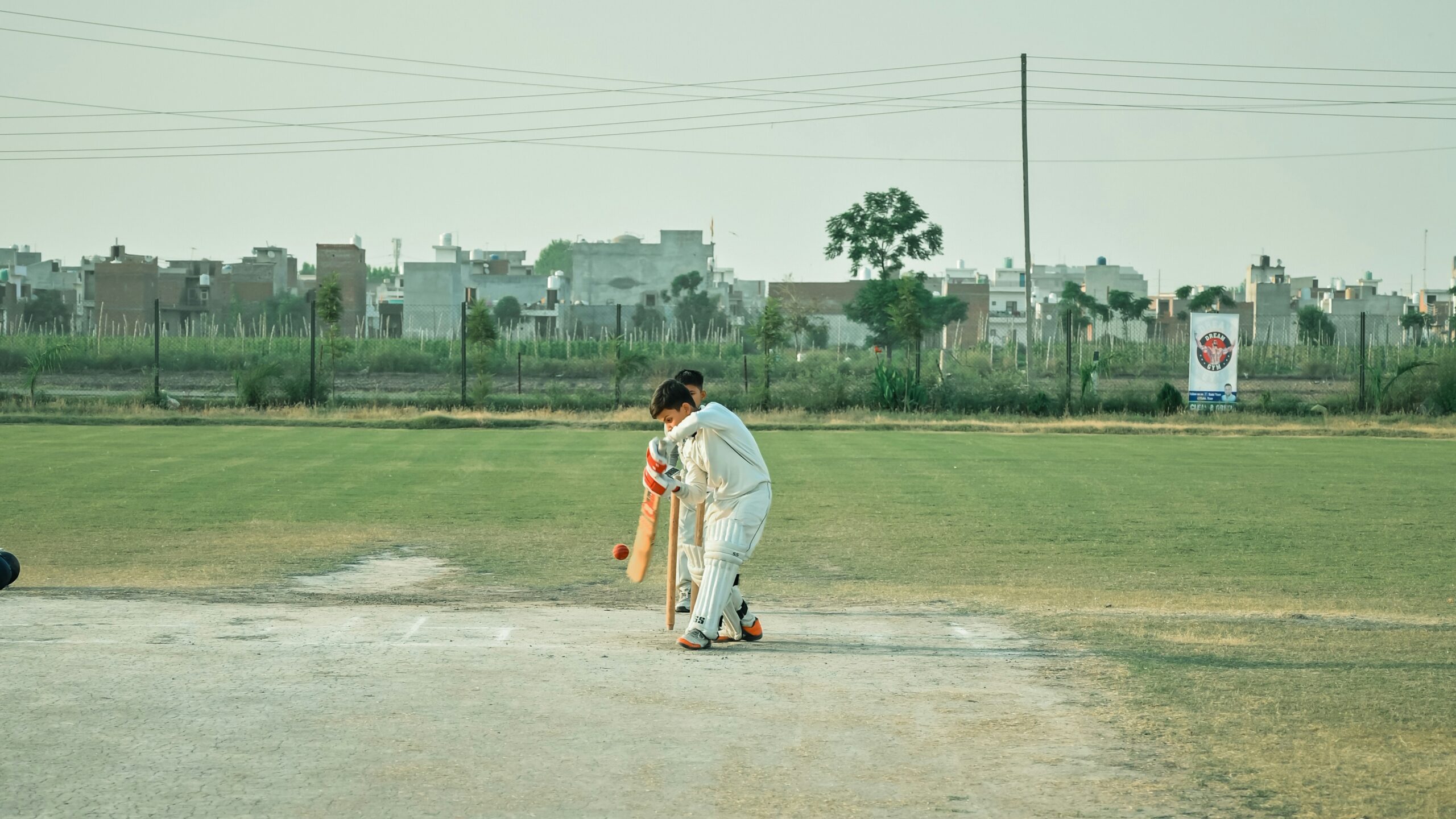
Hesson, former New Zealand head coach and a renowned cricket strategist, highlighted that while Pakistan continues to produce world-class bowlers, their batting lineup has failed to deliver under pressure, especially in high-stakes matches. According to Hesson, T20 cricket is becoming increasingly batting-dominated, and teams that don’t keep up with the evolving power-hitting and innovative scoring techniques fall behind.
“There’s no doubt Pakistan has talent,” said Hesson. “But the structure, approach, and execution in their batting have not evolved as quickly as the demands of modern T20 cricket.”
Over the past couple of years, Pakistan has suffered several key losses, even with strong bowling performances. Matches that seemed winnable were lost due to middle-order collapses, slow run rates in powerplays, and over-reliance on one or two top-order batters. Hesson noted that this lack of depth and adaptability in batting has hurt Pakistan in crucial series, including the T20 World Cup and bilateral series against top teams like England, Australia, and India.
Hesson also pointed out that teams like India, England, and Australia have heavily invested in grooming aggressive, fearless batters who can accelerate from ball one. In contrast, Pakistan’s batting approach has often been too cautious, leading to lower totals or failed chases.
One major concern has been the form and selection inconsistency of key batters. While players like Babar Azam and Mohammad Rizwan have been consistent, the rest of the batting order lacks match-winning impact. Hesson emphasized the need for Pakistan to bring in young power-hitters, rotate the middle order more frequently, and develop finishers who can thrive under pressure.
Additionally, Hesson stressed on the domestic structure and how it plays a crucial role in building confidence among future stars. “T20 cricket today requires clarity of role and intent. Domestic systems must train players to take risks, play fearlessly, and not worry about failures,” he said.
Pakistan’s management and coaching staff have also come under criticism for not adapting strategies in time. The T20 format evolves quickly, and sticking with outdated batting approaches can prove fatal. Hesson believes that bringing in data-driven decision-making, strike-rate-based selections, and mental conditioning for pressure scenarios can help Pakistan bounce back.
As the team looks ahead to the next ICC events and bilateral series, the focus must now shift to revamping the batting unit, building a fearless mindset, and giving opportunities to dynamic young players.
In conclusion, Mike Hesson’s analysis sheds light on what most fans have long suspected—Pakistan’s T20 decline is not due to lack of talent, but lack of batting adaptability. If Pakistan can address these issues head-on, there’s no reason they can’t return to the top tier of world T20 cricket.