







Bite and Die: Scientists Find Way to Poison Mosquitoes Through Human Blood
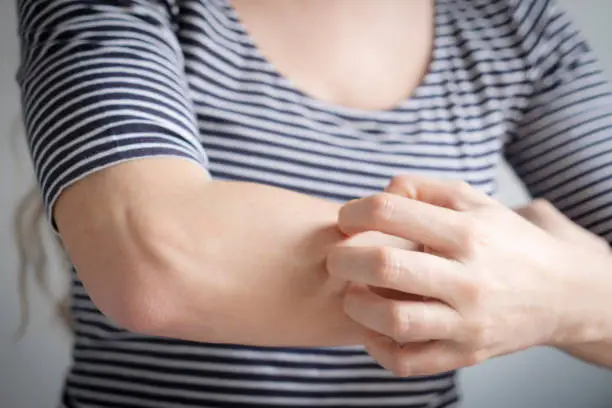
In a fascinating and potentially game-changing breakthrough, scientists have developed a new drug that turns human blood into a lethal meal for mosquitoes. This innovative approach could play a crucial role in the global fight against mosquito-borne diseases like malaria, dengue, Zika, and chikungunya, which collectively affect hundreds of millions of people every year.
By making the blood of a human toxic to mosquitoes after consumption, this drug could significantly reduce mosquito populations, interrupt the disease transmission cycle, and save countless lives — especially in tropical and subtropical regions where these illnesses are endemic.
The Science Behind the Breakthrough
The drug in question is called Ivermectin, a well-known antiparasitic medication that has been used for decades to treat conditions such as river blindness and scabies. However, recent research shows that when administered in small doses to humans, ivermectin remains in the bloodstream for a period of time and becomes deadly to mosquitoes that feed on that blood.
The key lies in how mosquitoes metabolize the drug. Ivermectin disrupts nerve function in the mosquito’s body, effectively killing it within hours after it feeds on treated blood. It does not harm humans at these doses, making it a safe and powerful tool in public health interventions.
Clinical Trials and Results
Scientists tested this approach through controlled human studies in malaria-prone regions of Africa and Southeast Asia. Participants were given measured doses of ivermectin, and the mosquitoes that fed on them showed a dramatic increase in mortality rates.
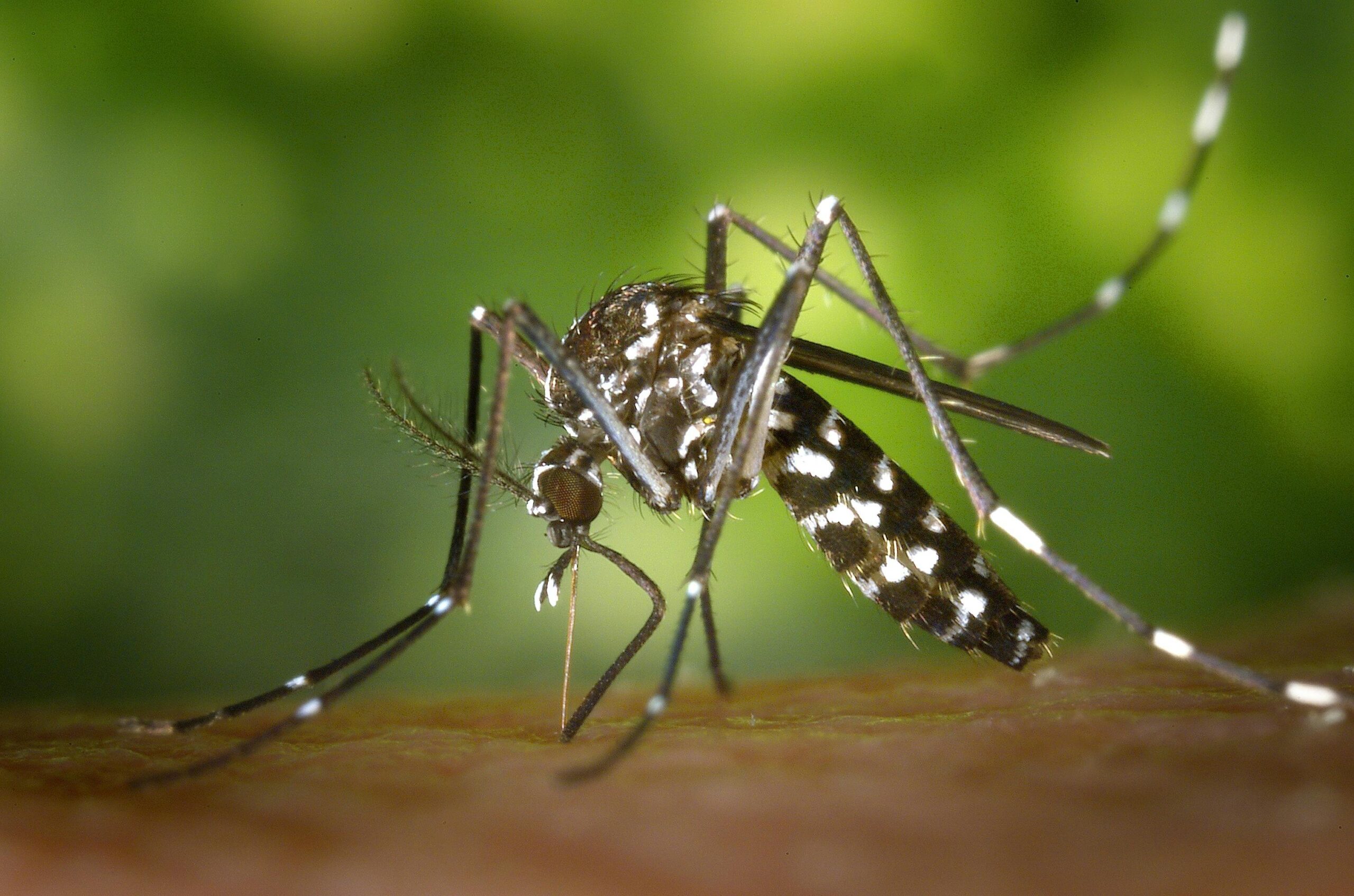
In some trials, up to 95% of mosquitoes died within 48 hours of feeding on treated individuals — far higher than natural mortality rates. The effect lasted for several days, depending on the dosage, meaning that mass drug administration could be timed to coincide with peak mosquito breeding seasons.
Why This Matters
Traditional mosquito control methods — like bed nets, insecticides, and repellents — are helpful but have limitations. Insecticides are facing growing resistance from mosquito populations, and nets are only effective during sleeping hours.
This new drug-based method offers a revolutionary solution by turning humans into mosquito control agents. Instead of killing mosquitoes in the environment, it targets them during their most vulnerable moment: blood feeding.
This approach can be especially effective in hard-to-reach areas where insecticide spraying is difficult or where infrastructure is weak.
Safety and Challenges
While ivermectin is considered safe at approved doses, scientists are still studying the long-term effects of repeated use, especially in vulnerable populations like children and pregnant women. There are also concerns about potential drug resistance in mosquitoes, which will need to be monitored closely.
Regulatory approvals, ethical guidelines, and public education will all be necessary before this strategy can be widely implemented.
Final Thoughts
Turning human blood into a mosquito killer may sound like science fiction, but it’s now on the verge of becoming a real-world public health strategy. If proven safe and effective at scale, this innovation could drastically reduce the burden of mosquito-borne diseases and transform how we protect vulnerable communities around the world.
The war against mosquitoes may finally be turning in our favor — and we could be the secret weapon.